"Self storage" is often used as a catch-all term, but it actually covers two quite different setups: container storage and traditional indoor self storage. They solve the same basic problem in different ways — here's how to tell which suits you.
What Traditional Self Storage Looks Like
Most people picture this version: a large indoor building divided into rooms or cages, reached via corridors, lifts, and shared internal access points. Your belongings are indoors, but getting to them usually means carrying items some distance from your vehicle, through shared spaces used by other customers.
What Container Storage Looks Like
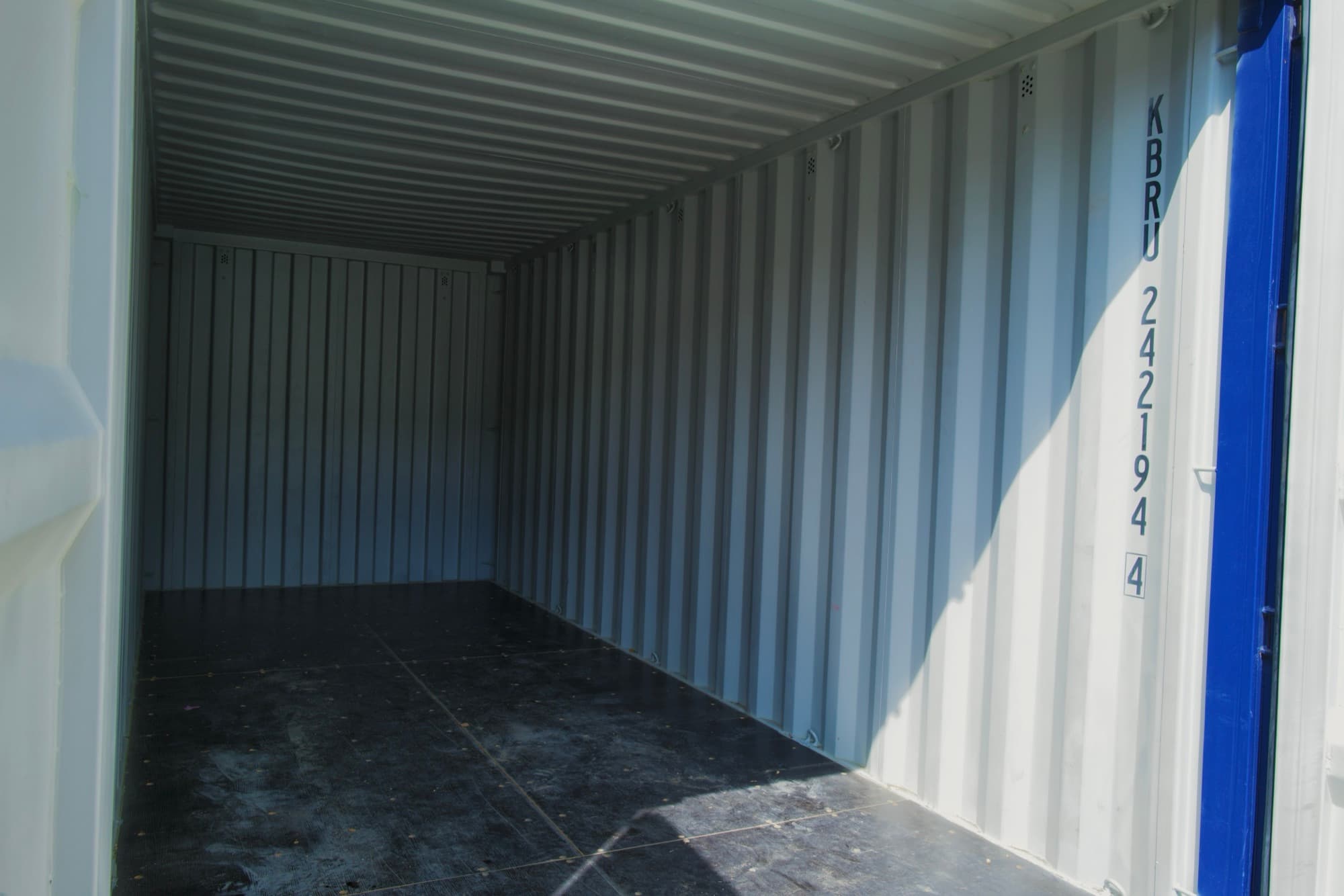
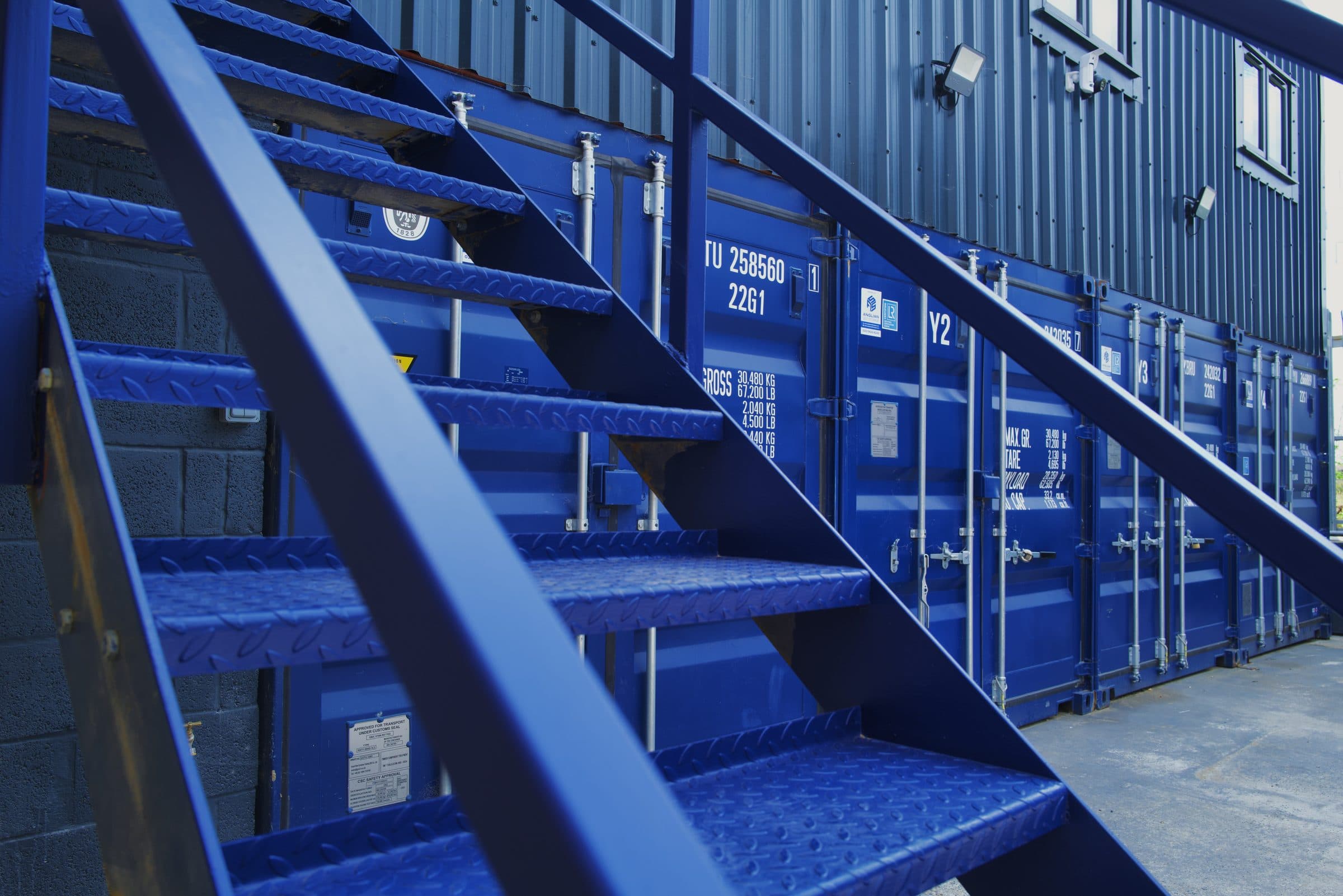
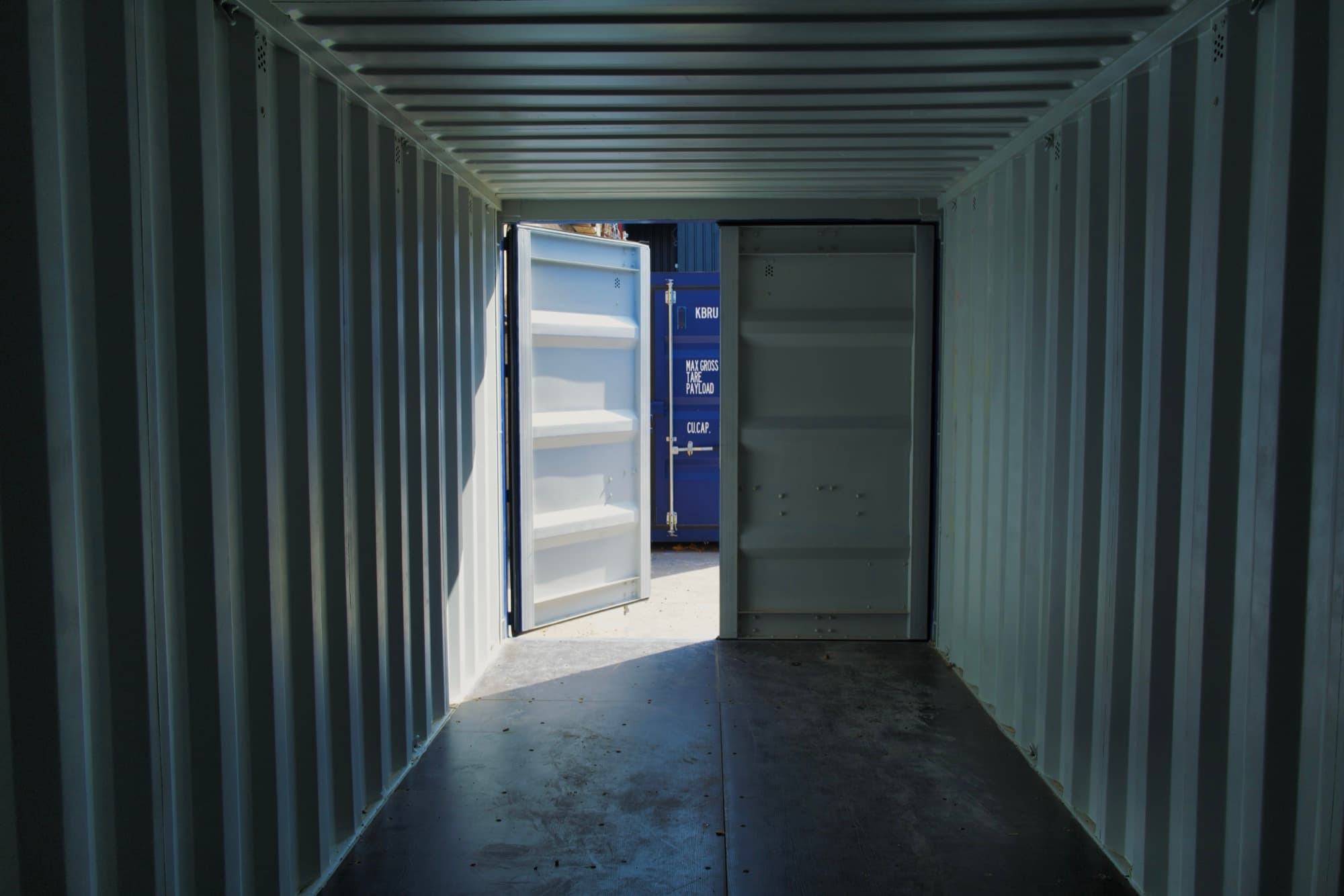
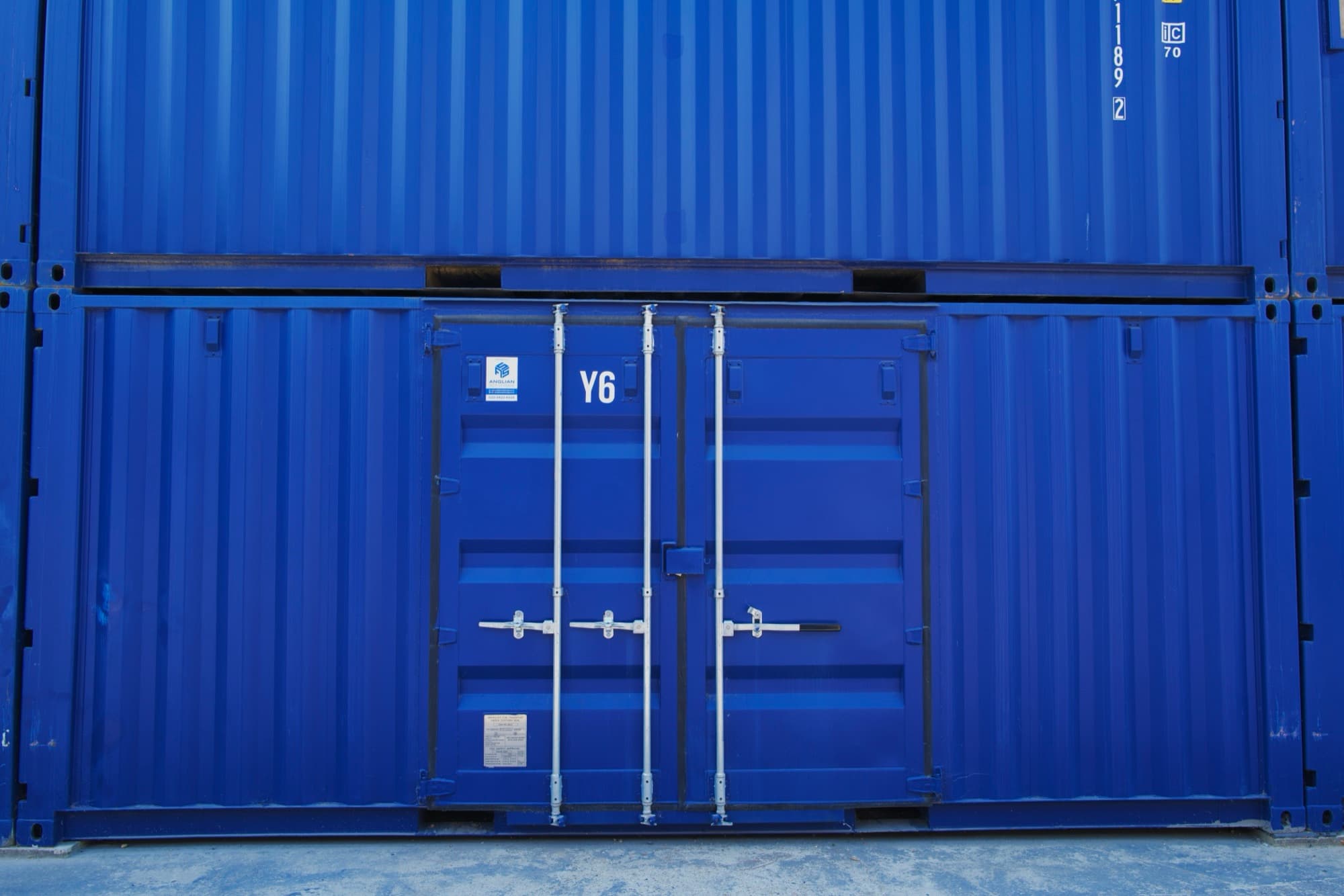
Container storage — what we provide — uses individual steel containers (the same style used for shipping) sited at ground level, with drive-up access straight to your own door. There's no shared corridor, no lift, and no carrying items through a building used by dozens of other customers.
Access and Convenience
This is where the two differ most in daily use. Container storage means parking right next to your unit and loading directly — genuinely useful for anything heavy or bulky, or if you'll be visiting regularly. Indoor self storage can mean a longer carry, especially for units on upper floors.
Security
Both styles can be highly secure, but they achieve it differently. Indoor facilities typically rely on building-wide access control and internal corridors. Container storage relies on the container itself — steel-built and naturally difficult to break into — combined with site-wide measures like CCTV, electric gates and individual alarms. Neither is inherently more secure; the practical difference is more about access than protection.
Weatherproofing
Steel containers are built to survive ocean crossings, which makes them naturally weatherproof by design. Indoor facilities achieve the same result through the building's construction rather than the individual unit.
Which Should You Choose?
If you value drive-up convenience, are storing heavy or bulky items, or simply prefer not to navigate a shared building, container storage is usually the better fit. If you're storing something you'll need to access very frequently from a city-centre location where ground-level container sites aren't available, indoor self storage might be more practical.
For most of our customers — house moves, business stock, student storage — the drive-up simplicity of container storage wins out. See our Container Storage page for more on how it works, or compare our sizes to find the right fit.